
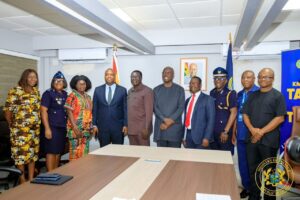
In a dramatic show of transparency and fiscal discipline, Ghana’s Finance Minister, Cassiel Ato Forson, together with his deputy, Thomas Nyarko Ampem have filed their personal tax returns, a bold move that is already sending shockwaves through the country’s financial and political landscape.
The early filing, confirmed at the offices of the Ghana Revenue Authority (GRA), is being hailed as a powerful statement of leadership by example at a time when government is intensifying efforts to widen the tax net and mobilize domestic revenue.
Sources within the Finance Ministry disclosed that Dr. Forson deliberately chose to file ahead of the deadline to reinforce government’s renewed commitment to accountability and compliance.
“This is not just a procedural exercise; it is a message to every public official and every taxpayer that compliance begins from the top,” a senior official revealed.
The symbolic act comes amid growing national conversations about tax compliance, revenue leakages, and the urgent need to reduce Ghana’s dependence on external borrowing. Analysts say the Finance Minister’s move could mark a turning point in restoring public trust in the tax system.
For years, many Ghanaians have complained about perceived inequality in tax enforcement, arguing that ordinary citizens and small businesses often bear the heavier burden while powerful figures evade scrutiny. Dr. Forson and his deputy’s action appear designed to confront that perception head-on.
Economic policy observers believe the gesture aligns with ongoing reforms being implemented under Ghana’s economic recovery programme supported by the International Monetary Fund.
“This is political symbolism with real economic implications,” said one economist. “When leadership complies publicly, it strengthens moral authority to demand compliance from others.”
Officials at the GRA have recently intensified digital tax administration, data integration, and enforcement measures aimed at boosting domestic revenue mobilisation. The authority has consistently emphasized voluntary compliance as the cornerstone of sustainable national development.
Political watchers say the move also places subtle pressure on other government appointees, Members of Parliament, and senior public servants to demonstrate similar transparency.
Already, civil society groups are calling for a nationwide campaign encouraging professionals, entrepreneurs, and corporate entities to emulate the Finance Minister’s example.
Across social media platforms, reactions have been swift, with many citizens praising what they describe as “responsible leadership,” while others insist that symbolic actions must now translate into stronger enforcement against tax evasion.

As Ghana grapples with economic recovery challenges, rising public expectations, and the need for fiscal discipline, Dr. Forson’s early tax filing may prove more than a routine administrative act, which could ignite a new culture of tax responsibility.
For now, one message rings loud and clear in Ghana’s evolving tax era, leadership is expected not only to preach compliance but to practice it first.

