President John Dramani Mahama has challenged African leaders, entrepreneurs, investors and policymakers to translate their promises into practical, measurable actions that will drive the continent’s development and improve the lives of its people.
Speaking on behalf of the President at the Elevate Africa Annual Convening 2026 in Accra, Chief of Staff Julius Debrah urged participants to identify concrete commitments they could finance, implement and account for when they reconvene.
He said Africa’s future would depend not merely on declarations and speeches but on the willingness of its leaders and influential stakeholders to make difficult decisions, fulfil their promises and build strong institutions capable of serving future generations.
“I have one challenge for all of us gathered here today. Before we leave Accra, let each one of us identify one commitment we are prepared to finance, implement and account for when we meet next again,” Mr Debrah said.
He encouraged participants to focus on initiatives that could generate tangible benefits, citing investments in young African enterprises, the removal of barriers to national trade, and the expansion of access to education and economic opportunities.
According to him, the convening should be remembered for the initiatives it inspires and the changes it delivers rather than the speeches and discussions that take place.
“Let Accra be remembered for what we began here, not simply for what we have said here,” he stressed.
Leadership Must Prioritise Future Generations
Mr Debrah also highlighted the importance of investing in the future, drawing inspiration from a lesson he said he had learnt from his mother, Naomi.
Although she did not hold public office, sign legislation or participate in high-level summits, he said, she understood the importance of making sacrifices for a future she might never live to enjoy.
He explained that her decisions had helped shape the opportunities that enabled him to stand before the distinguished gathering.
The personal reflection served as a reminder that meaningful leadership was not defined solely by public recognition or political authority but also by the willingness to make decisions that benefit others, including generations yet unborn.
Mr Debrah urged African leaders to adopt the same long-term perspective by investing in initiatives and institutions that would continue to deliver benefits beyond their time in office.
Africa Must Position Itself for Global Transformation
Looking ahead, he said future generations would judge today’s leaders by how they responded to the profound changes shaping the world and whether they positioned Africa to participate meaningfully in the emerging global transformation.
He warned that the continent must demonstrate the courage to make difficult choices, the discipline to fulfil its commitments and the foresight to establish institutions capable of supporting sustainable development.
He noted that future generations would be less concerned about the speeches delivered at gatherings such as the Elevate Africa Annual Convening than the actual improvements those discussions produced.
“Fifty years from now, another generation of Africans will look back on this moment in our history,” he said, challenging participants to consider whether their decisions would help place Africa at the forefront of global change rather than leave it at the receiving end of developments driven by others.
He added that the continent’s ability to influence its future would depend on the quality of its leadership, the strength of its institutions and the commitment of its people to turning aspirations into results.
Leadership as an Act of Sovereignty
Concluding his address, Mr Debrah called on Africans to make wise choices, honour their promises and build lasting foundations for the continent’s progress.
He maintained that Africa must take responsibility for shaping its own destiny instead of relying on declarations that are not supported by concrete action.
“My fellow Africans, the future of our continent will be determined by the decisions we make and the work that we are prepared to do,” he said.
“Let us choose wisely. Let us deliver on our promises and declarations. And let us build what we endure.”
He described leadership as an act of sovereignty, arguing that the future Africa builds through its decisions and actions would provide lasting evidence of the continent’s determination to control its destiny.
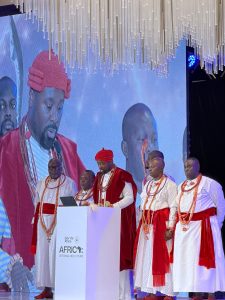
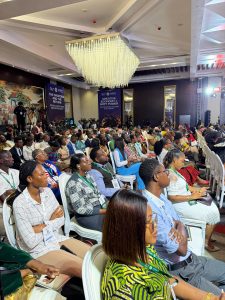
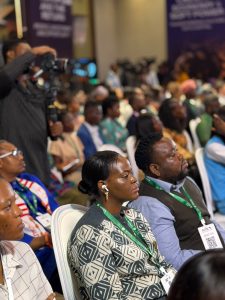
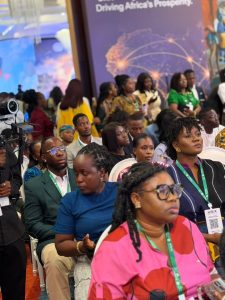
The Elevate Africa Annual Convening brings together policymakers, entrepreneurs, investors, creatives, traditional leaders and other influential stakeholders to deliberate on Africa’s future.
The 2026 gathering in Accra focuses on leadership and governance, trade and economic development, providing a platform for discussions on how the continent can turn its potential into sustainable progress.
Mr Debrah’s address placed particular emphasis on accountability, practical commitments and long-term investments as essential ingredients for ensuring that the conversations translate into meaningful development outcomes.