Finance Minister, Dr. Cassiel Ato Forson, has delivered a blunt message to international investors: Ghana’s recovery is not a temporary rebound. It is the product of deep, disciplined reforms anchored in law.
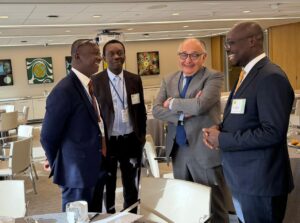
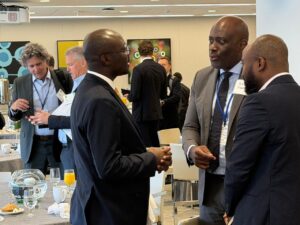
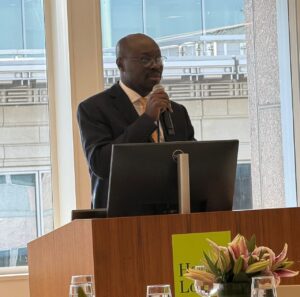
Speaking on the sidelines of the IMF/World Bank Spring Meetings, Dr. Forson dismissed any notion of superficial progress.
“These are not cosmetic gains,” he said. “They are outcomes of well-designed reforms, backed by legislation and strict implementation.”
At the core of the turnaround is an aggressive fiscal reset. Government has cut the size of ministers from 123 to 60, while enforcing strict commitment controls across MDAs to curb excess spending. Amendments to the Public Financial Management Act have introduced binding fiscal rules, including a 1.5% primary surplus target and a 45% debt ceiling.
To reinforce discipline, new oversight institutions such as the Fiscal Council and the Office of Value for Money have been established to tighten accountability and eliminate waste.
Dr. Forson also highlighted a sweeping overhaul of public finances. Statutory funds have been uncapped to better align spending with national priorities, while petroleum revenues and mining royalties have been restructured to support infrastructure financing.
On the revenue side, reforms in tax administration, VAT, and customs are closing leakages and strengthening domestic resource mobilisation. In the energy sector, a cash waterfall mechanism is improving financial flows and sustainability, while payroll audits and programme rationalisation are reducing inefficiencies across government.
Key sectors are also being retooled. Reforms at COCOBOD are improving efficiency, while social protection programmes are being expanded to protect vulnerable groups.
The macroeconomic impact is already evident. Growth is exceeding expectations, inflation is declining, and the cedi has stabilised. Ghana’s external position has strengthened, supported by robust exports and stronger reserve accumulation.
“These reforms are translating into real market outcomes,” the Minister said, pointing to falling domestic and Eurobond yields and improved sovereign ratings.
He added that Ghana’s debt trajectory has improved significantly, with restructuring nearing completion and the country remaining current on its obligations.
Investor sentiment, he noted, has shifted.
“Investor after investor expressed strong admiration for our reset agenda and the credibility we are rebuilding,” Dr. Forson said.
Looking ahead, he stressed that the focus is on consolidation and sustained growth.
“We are deepening reforms, maintaining discipline, and building a more resilient, inclusive, and growth-oriented economy,” he said.